Keep precolonial Africa out your mouth, unless you’re gonna come correct
Dip discusses a recent Economist article and thinks through the implications of the Continent being seen as a “model” for elsewhere.



If chess is statelike and hierarchical, then mancala is anarchic. That’s what The Economist thinks, if “How anarchist was Africa?” is anything to go by, anyway. Given Mancala's African origins, and the article’s interest in exploring precolonial polities, this seems apt. That aptness is only multiplied by the fact that mancala is like a “genre” or type of game, highlighting its multiplicity and flexibility. For chess, the aptness comes from being from an empire in (what is now) India and subsequently becoming a European preoccupation following relays of conquest and trade.
Sadly, their exploration of this analogy was little more than set dressing. If it was deeper, it might actually have been able to relate to its premise—that precolonial Africa was 98% “stateless”—more excitingly.
Photo by mathieu gauzy on Unsplash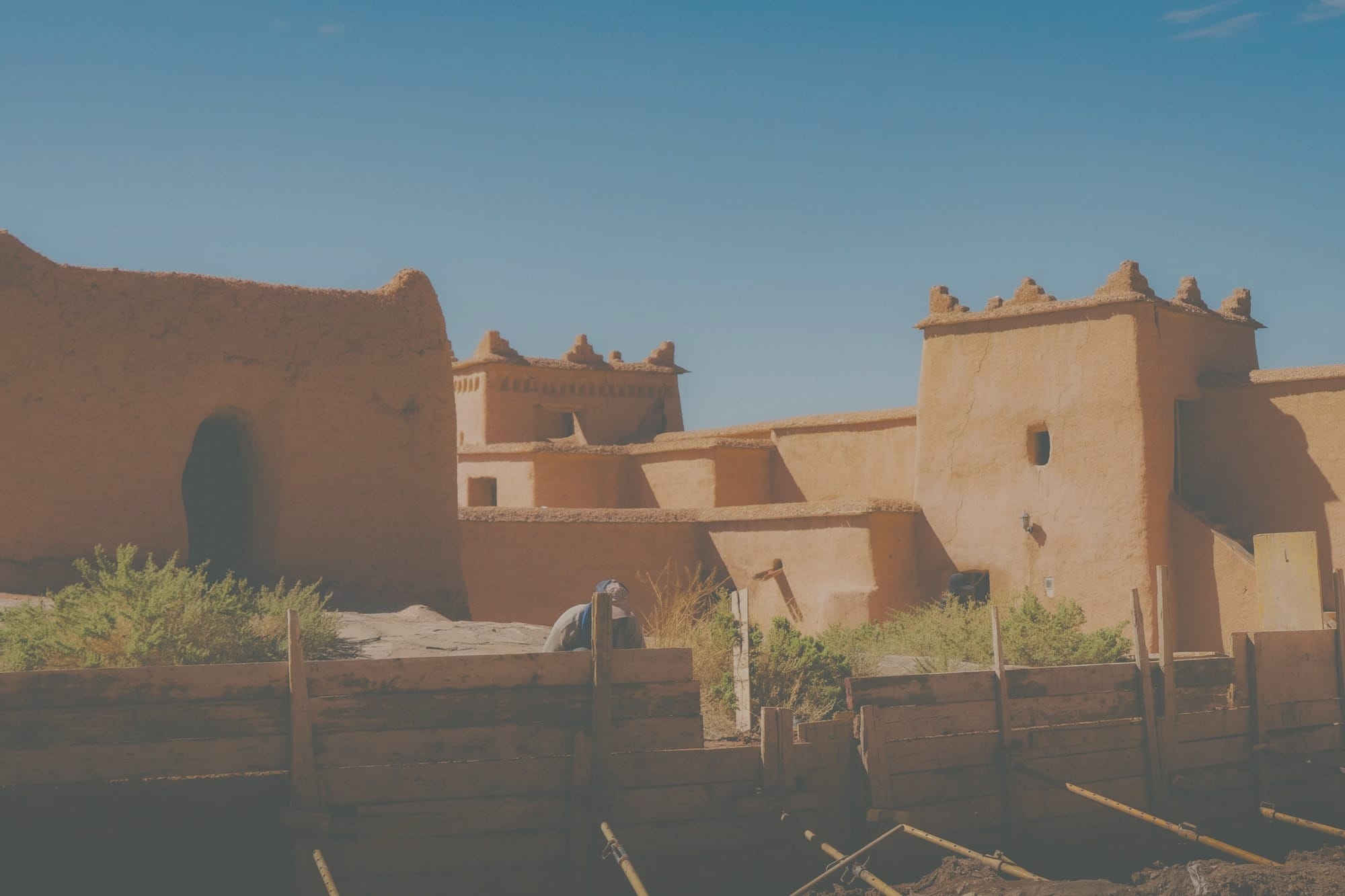
I can be a bit particular (read: pedantic) with my judgement of allusions, analogies, and comparisons, but I think it’s important. Analogies can be violent! Using them passively ends up being a dangerous gambit; carelessly gesturing towards things is unclear at best and often causes trouble. Since the article doesn’t lean into the analogy it sets up, it ends up being a bad omen for the ideas it’s promoting.
And what is it promoting? It’s… a glorified advertisement for a recent (unnamed) paper by a couple of academics. Given this, it’s unclear to me as to why this framing was used, beyond a kind of boring appropriation of anarchy for the sake of “democracy.”
It made me long for this great-if-flawed book from the ‘90s, called African Anarchism. There, the authors saw that communalism, shared decisions, and ecological reciprocity were deliberate choices in a clear, concrete way, rather than the gestural and reactive agency as it’s represented by the Economist.
I also think of the ways that democracy-the-concept and deliberation are intertwined; it is often deliberation that is invoked as a defense when people critique actually-existing-democracy. This flies in the face of what small-d democrats are wanting to create, defend, and/or bolster; their formalistic and statist tendencies mean that those deliberative ideals always remain in the realm of the mind. Even examples that I’m sympathetic to, like discussions on how democracy-the-concept is not just the purview of the West, leave a bit to be desired along similar lines.
In fairness, the above examples can make the conversation more concrete, from the “open” councils of the Somali shir, to the rotating leadership and fixed terms of the Oromo Gadaa, to the consensus village assemblies of the Igbo, to the councils of elders that checked chiefs of the Ashanti, to the debate forums where leaders listened for the Tswana kgotla. Many precolonial systems in Africa had democratic aspects.
And those are worthwhile things to look at, though any modern attempts at retrieving and bolstering this “history” must bring it to the present with a militant stance taken against bigotry; all of those who were historically silenced, from women, to youth, to other marginalized communities should be the starting point as for how modern iterations should look. It is good to deeply understand how critical “debate, dialogue, consensus, accountability, and community decision-making” are in many African contexts. However, that understanding has to be paired with an awareness of how dangerous these conversations are if they maintain these bounds; domination and oppression can’t be solved by narrowly focusing on creating the best system.
To return to that Economist article, the understanding on display is especially brought into question by the ending; it is offhandedly mentioned that “decentralisation made Africa more vulnerable to slave traders and colonial conquest.” How or why isn’t explained here, it’s just treated as a given, which is perplexing, since they also claim that “where precolonial power was despotic, there is more conflict today. Places once ruled by looser federations fare better.”
Unless they are trying to admit that colonialism took advantage of hierarchy, with all of the ways that statement implicates the author’s vaunted “democracy,” this seems to undermine their argument. This is really interesting (read: frustrating), given that my understanding is the opposite; decentralized systems are much more resilient for both protecting and maintaining a community, if the intention is for that community to be “egalitarian.”
If there are any lessons to learn from this conversation, it’s that any “inspiration” taken from the Continent should be framed by roots-grasping perspectives. Otherwise, the “inspired” set themselves up for varying degrees of embarrassment. Concretely, this roots-grasping can look like diving deeply into the history of something that seems interesting or cool, be it a structure or system or ritual or practice and taking it as seriously as more familiar concepts. Another part of it is not always having to use Eurocentric terms like “democracy” or even “anarchy.” As useful as they are (or aren't), the starting point should be from the things being studied, even if it’s frustrating, slower, and more difficult. Any instincts to say “this is like this Eurocentric thing I’m familiar with” should be deprioritized. If that can be done, then maybe “we the inspired” can start to do right by our ancestors and relatives.


