Notes Towards an Anti-War Wargame
Dip discusses the imperial nature of many shooter games and speculates about what a truly anti-imperial shooter could look like.


Video games have always been but a hop and a skip away from war. Whether one’s talking about the first commercial game console being made by a defense company, or that one of the first games from 10 years prior was a PvP wargame, there is a deep resonance between war and this particular type of technoculture. But what does “war” mean?
Confusion around war is exacerbated by (in)famous shooting games; it’s clear that they themselves are not untangling this web. If anything, they add knots to the threads. As (war) games are culturally relevant products, exploring them is worthwhile, so that folks:
- don’t inadvertently glorify warfare;
- have robust conversations about warfare, and;
- understand what the content of those critiques should be.
This opens up space to think about what cultural explorations of war can and should look like.
To see how war shows up in games, using imperialism as a “thematic lens” is crucial, as wars are often imperial. Games that are inarguably imperial include Battlefield and Call of Duty. There, you play as soldiers fighting for the continued economic, social, and political dominance of nation-states, usually the US or NATO allies. These games are prime examples of uncritically showcasing war. They often portray war as exciting, potentially terrifying, but always necessary to protect “our” interests.
Photo by Art Institute of Chicago on Unsplash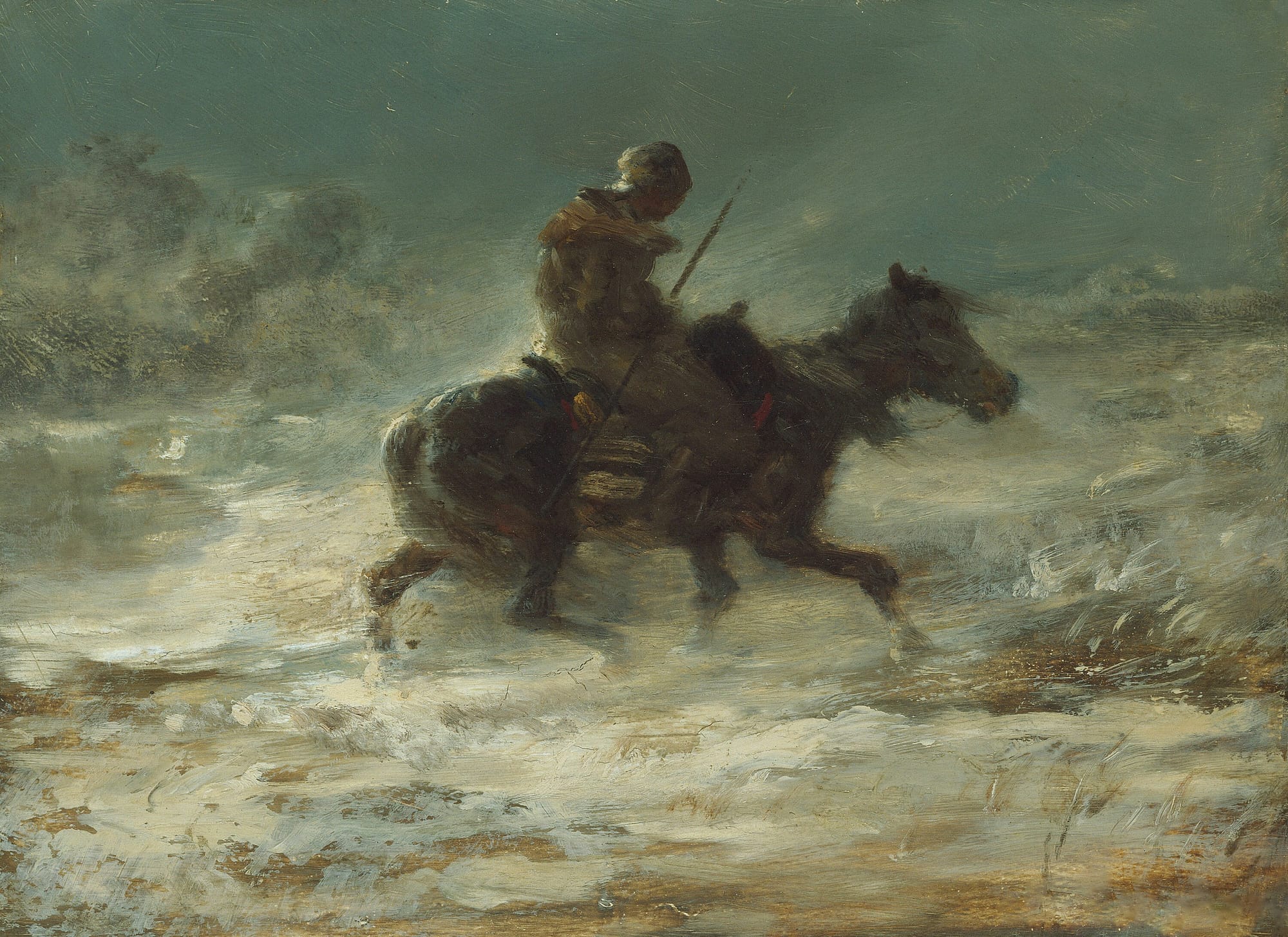
“Non”-imperial games critique imperialism “from the inside,” without going against or beyond it. A good example is Helldivers 2, which cranks militarism’s aesthetics and rhetoric up to 11. However, by supercharging the “fun,” alongside potential points of friction (like the difficulty of calling in Stratagems and friendly-fire) leading to more hilarity, aesthetic and ludonarrative resonance is achieved at the cost of its satire. War is funny, horrible, and abusive, yes. However, the focus on soldiers perpetuating harm while leaving the “uncool” and “unfunny” aspects of war underexplored allow the critique to be recuperated and ignored by those who would benefit most from it.
“Anti”-imperial games are direct critiques of imperialism. “Anti” is in quotations since they hold onto as many tropes as they subvert. An emblematic example is Far Cry 6. On one hand, its setting and narrative almost zags the series’ imperialist/colonialist fantasy most overt in FC3. Here, the player is a revolutionary in their homeland. However, it backtracks on the series’ narrative-based critiques of gratuitous shooter violence. The main character-player’s murder spree is never reckoned with. FC6 is a kind of nostalgic, “Greatest Hits” mixtape of previous Far Crys, rather than something that feels fresh and biting. Here, war is righteous, fun, and any losses can be recuperated. It’s a feel-good approach that rings hollow.
A better critique comes from Fursan Al-Aqsa. Best described as Palestinian Max Payne, it replaces the noir tone in those games with a more chaotic vibe. It doesn’t really change or challenge conventional gameplay loops, so criticisms of shooters being imperialist-in-gameplay aren’t addressed. However, the question of certain acts being inherently imperialist is open. Can you label someone breaking free from the shackles of colonization as imperialist? The wish fulfillment of colonized people is qualitatively different from that of imperial settlers. War in Fursan isn’t taken much more seriously than say, Helldivers, but a lot of heavy lifting is done by centering the role of an actual people experiencing the kinds of imperialism that the Call of Duties tend to have you perpetuate.
Ironically, the most anti-imperial shooter that I’ve found is a mod for Arma III, a game that oozes imperial “immersion” with its simulation focus. In Antistasi, players are in a militia of civilians, defending against invaders and/or occupiers. More importantly, it explores some of the tensions within this kind of fight, primarily via a NPC-community-based “support” system: it gives you points for doing various actions that will benefit a specific community and removes points if you harm them or if occupiers help that community.
The different ways imperialism manifests through games shows that there’s more to be said about what war is, beyond simplistic narratives. The work is to question imperialist ideas. Imperial games that focus on immersion and grittiness, combined with a useful ignorance of the social consequences of the events on screen, can have a propagandistic effect. The violence therein can take on a glorified and heroic status. This can be distracting, as, in other cases, there is fear(mongering) around the impact of this violence.
A more interesting lens that links game violence to real world violence is one that looks at their shared technocultural heritage. Beyond video games being born from the defense apparatus (and never really moving out of the house), militaries, contractors, and gun companies currently collaborate with game studios. They make sure that their guns, technology, and imperial ambitions are presented in a beneficial light.
This makes it difficult to separate the genre from its imperialist permutations. Even outside of war-themed shooters, many a game has you progressing through space linearly, removing beings from their home territory, no questions asked, for your (or your ruler’s) interests.
To counteract this, games could reframe war so as to not dichotomize Good™ and Evil™ or center situations where everyone is equally wrong. This diffuse accountability allows war to be normalized, making it more difficult to question. Ludonarratives can be layered and explore systems that cause, perpetuate, and profit from war. The damage of war could be shown through the eyes of those who don’t or can’t fight traditionally. Mechanically, problematizing the gameplay “verb” of shooting is in order. Having meaningful ways to engage with the world beyond the barrel of the gun would do a lot for an anti-imperial message. Games could show the logistical and care labor that facilitates fighting, making it ludonarratively significant, like in Foxhole.
This may cause more friction in the fiction, but that's in order given the inundation of anti-friction experiences; war has become a funfair. I want games to allow us to have better conversations about them and the world they reflect. They are uniquely positioned for it.


