How to Prepare for El Niño
Thinking through compounding crises of climate shock, supply-chain blockade, and (the afterlives of) slaveholding settler colonialism.



The looming threat of El Niño–which could return as soon as May—highlights the fact that climate change is here and shows the need to build communal climate resilience. The threats of the climate events themselves and the people in power weaponizing them need to be fought against.
El Niño is a recurring cycle (every two-to-seven years) of weakening trade winds. This causes the water to warm. If the Pacific Ocean is like a temperature engine, El Niño shifts the gears. Instead of Asia getting the warmer waters, that heat sloshes back towards the Americas, like backwash.
Photo by NOAA on Unsplash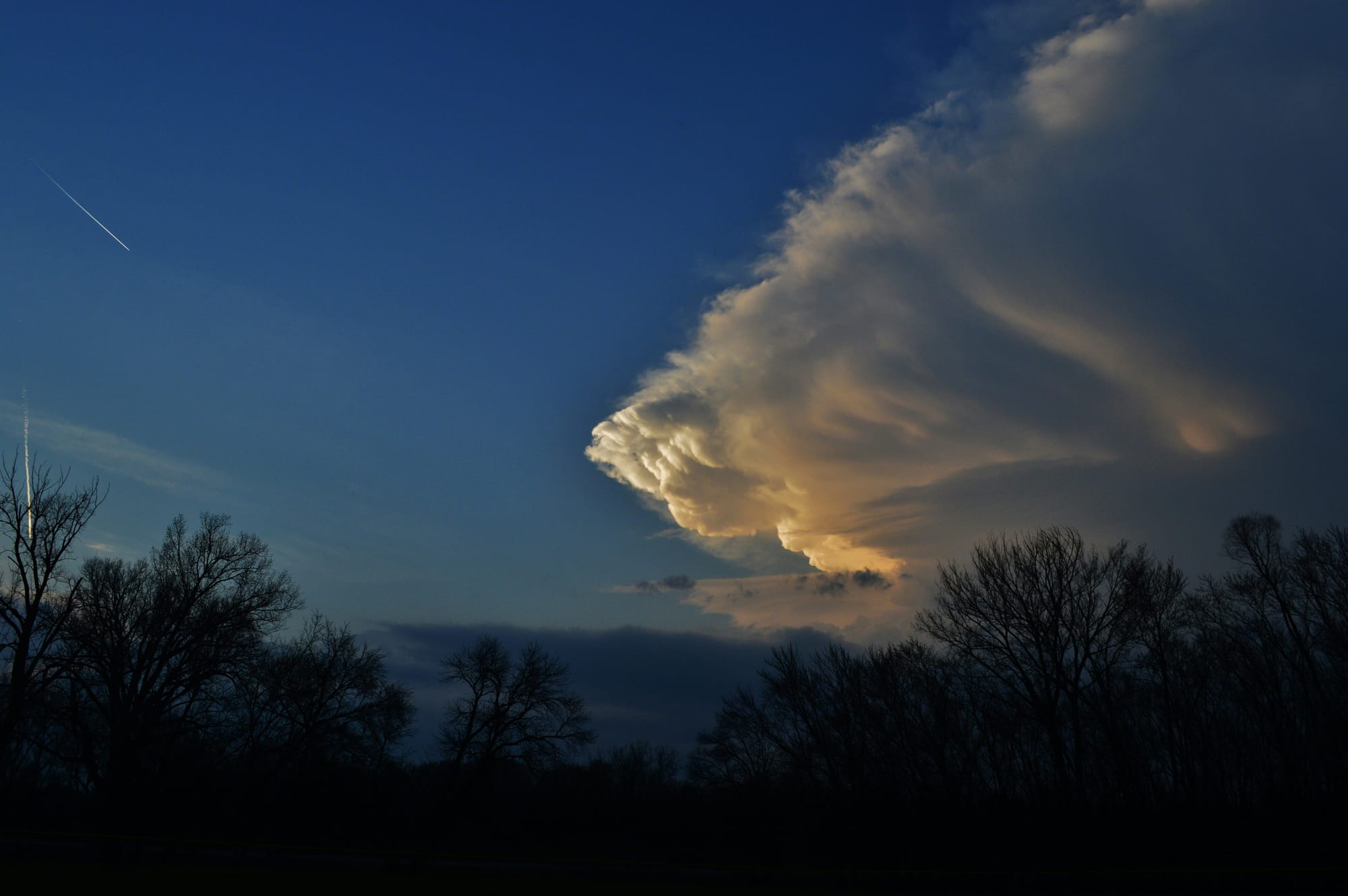
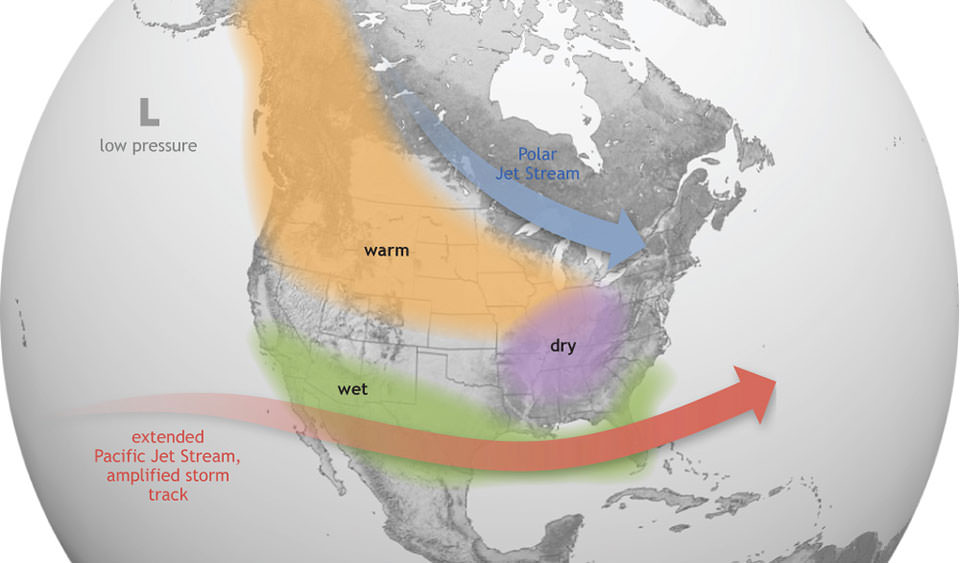
The issue is that this looming El Niño is looking to be of the “Super” variety; this means that the anomalous temperature will exceed 2 degrees Celsius. The last time this happened was in 2015 into 2016, and the results speak for themselves.
When considered alongside a global water bankruptcy and a supply chain choking from a lack of fossil fuels, it presents a big climatological risk. Beyond flooding in the South and droughts in the North, food supplies from agriculture to fishing could be disrupted. All of these converging forces have led folks to compare it to 1877’s El Niño, which led to over 50 mn deaths.
I don’t point this out to scare folks, though scared we should probably be. I just happen to find it important to remind myself and others of the stakes; the added impact of human-made climate change, alongside all of the fragile global ecosystems and social systems means that these kinds of big shocks could have an outsized impact.
It’s not all doom and gloom; though, some might even say that the solutions are already here.
I want to tease out the 1877 connection more; though the brunt of El Niño’s mortalities were borne by Asia and Africa, it is worthwhile to point out that 1877 was the end of the First Reconstruction and a time of much worker self-activity in the US. This activity could be partially attributed to the climate situation: 1877 being called “The Year Without a Winter” certainly indicates a level of impact.
Looking at 2026, the situation is similar, socially as well as ecologically. I generally chafe at the idea of comparing social situations, but ecologically, things are definitely worse; the warming that these climate events will bring are in the context of a warmer world. There’s also the Third Reconstruction that we find ourselves in in the wake of 2020’s movements.
I don’t even want to get into the potential collapse of the Atlantic meridional overturning circulation; the point is that preparing for collapse is paramount. There has to be a staunch refusal of (eco-)fascistic/austeric policy that looks at the US’s war against Iran and sees inevitable famine. I’m mobilized by the fact that I know we can build paradises in hell; we just have to work for it, and fight against those who’d rather build bunkers and hoard resources.


